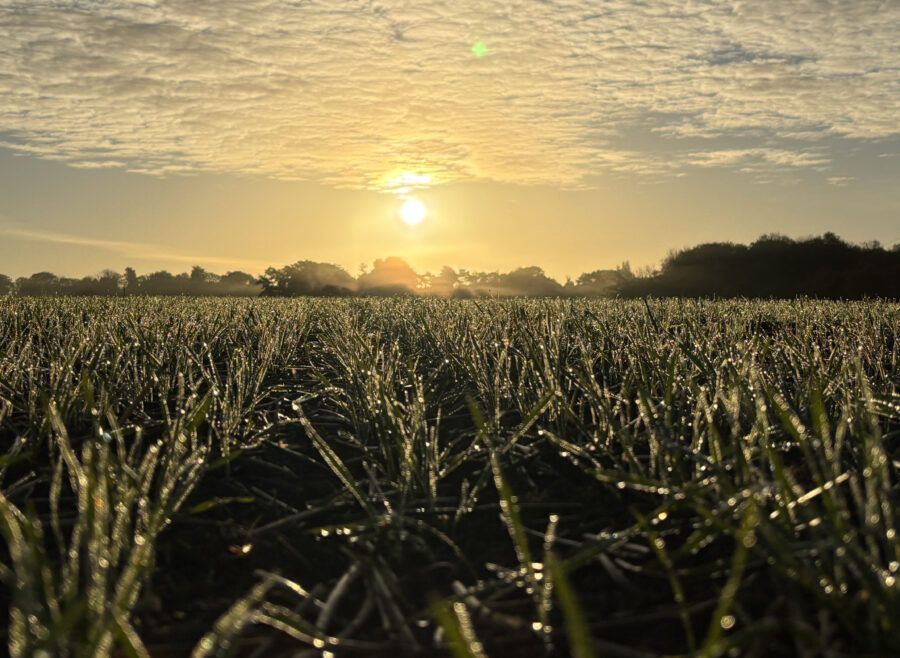
by Simon Roberts in this month’s South East Farmer
As we come towards the end of 2025, there is a lot on which to reflect. Last season’s drilling campaign was one we didn’t want to see a repeat of any time soon. Despite the challenges and numerous changes of cropping plans for some, the weather did change, crops were planted and we had good growing conditions for a while. Inevitably, though, one extreme led to another, with the season ending with a hosepipe ban.
On the whole yields were good, given the shaky start a lot of crops had and the dry finish. There is always a sting in the tail, though. With an early start to harvest it looked like it could be finished in record time. Localised heavy rain (up to 100mm in some parts of Kent) just after the oilseed rape (OSR) was harvested led to some milling wheat growers seeing dramatic fall in Hagberg falling number for some varieties, resulting in lost milling premiums. Not all varieties were impacted to the same extent, so we did see a slight shift in variety choice for the new season.
With harvest completed, the mental scars left from Autumn 2024 resurfaced, and once it started to rain… the chance of delayed drilling was a non-starter.
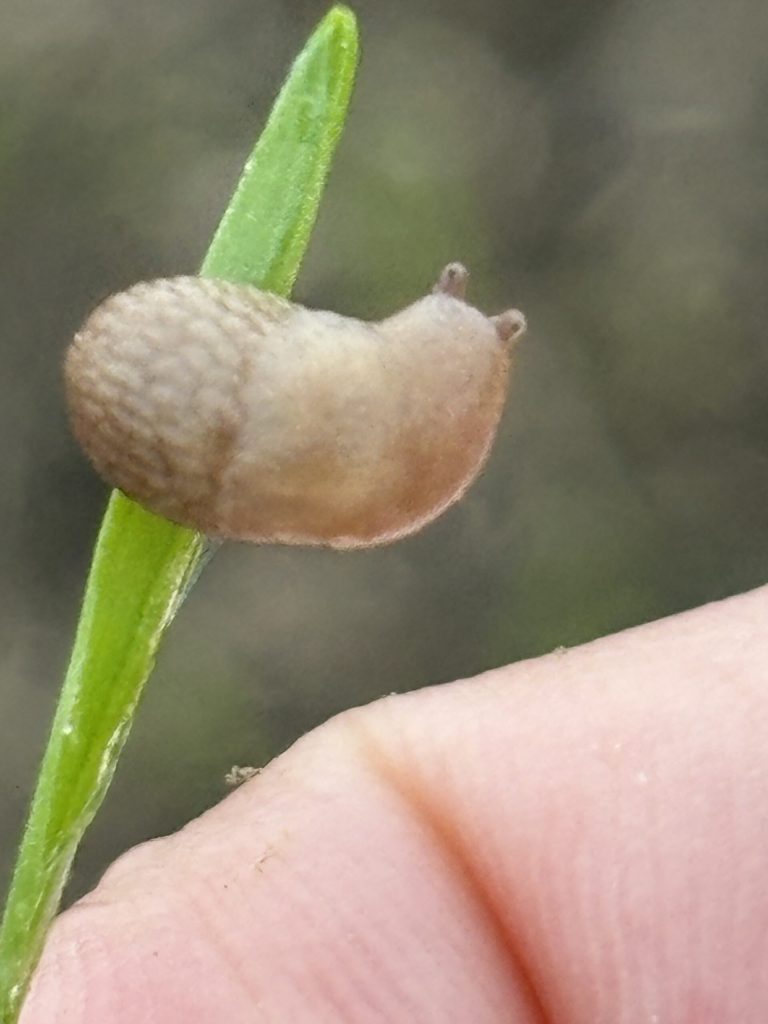
OSR has been a real positive this year, whether early or later drilled. I would say there has been more attention to detail, with cultivations, seed bed preparation and, particularly, consolidating the seedbed helping to deliver a far more even crop establishment. It feels like we have seen a later and lower migration of cabbage stem flea beetle, resulting in less impact than in previous years, and slugs haven’t had their usual impact.
With OSR established, it felt like a swift move onto cereal drilling before the rain started. Well, we now all know with hindsight that we could have started drilling a few weeks later.
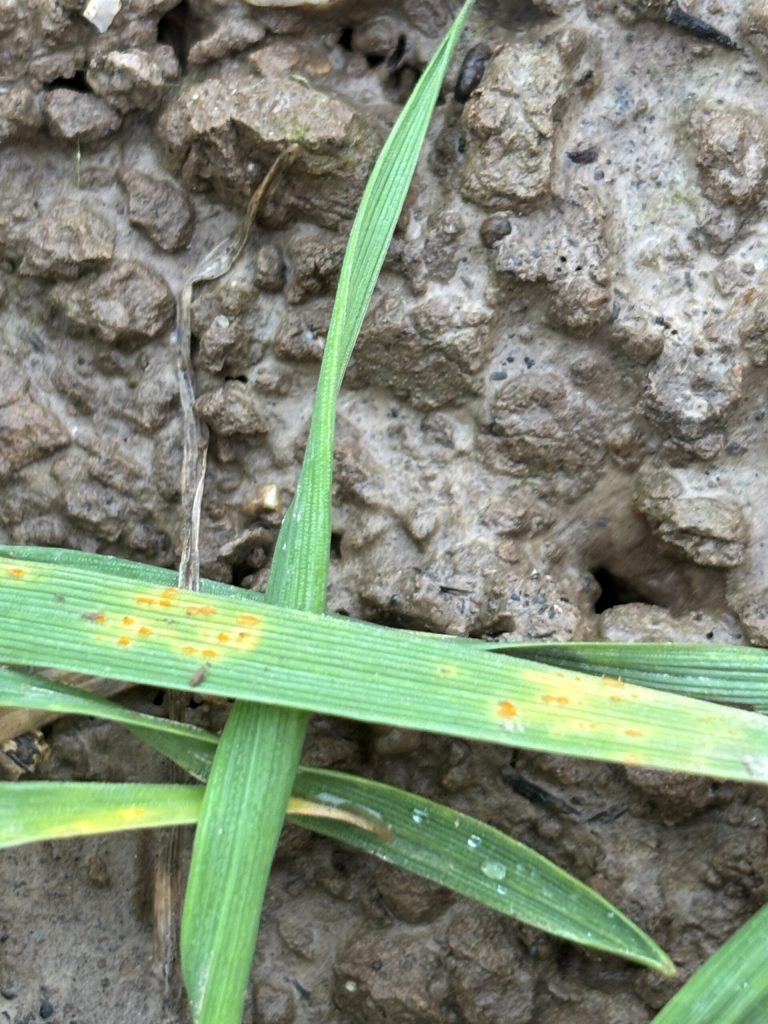
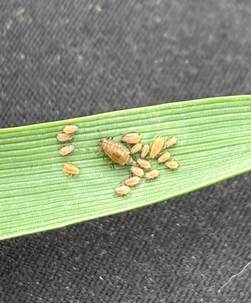
With early drilling comes the usual risk of grassweed emerging, higher aphid numbers and a longer period of risk from barley yellow dwarf virus (BYDV) infection and increased disease levels. Well, the fact that we have had the opportunity to not only apply pre-emergence herbicide but also a follow up will help. Local aphid suction trap catches have been high, although colonies of aphids have not been easy to find. Well-timed applications will have reduced any spread of BYDV infection. We are seeing disease levels building, particularly brown rust on varieties with a low natural resistance.
The final bit of field work for 2025, once we have the correct soil conditions, will be to apply Propyzamide to the OSR.
The winter jobs will then take over, with planning for the spring beginning with the Association of Independent Crop Consultants (AICC) technical conference early in the new year, along with updating nutrient, soil and integrated pest management plans and hosting various training courses for clients.
By Simon Roberts, CCC Agronomy