By Jonny James in May’s edition of South East Farmer
Maize
Favourable conditions through March and April have meant most spring crops have established well, with good seedbeds across the board. For most growers, maize remains the only crop left to establish.
The first few weeks of getting maize established is key to the crop’s success. It is always best to drill by conditions rather than calendar date. Optimum drilling time depends on soil conditions, temperature and moisture.
As a rule of thumb, soil temperature wants to be 10°C at 10 centimetres and warming for four consecutive days. Typically, this occurs at the end of April to early May on the south coast, but lighter soils warm up earlier, so there may be a chance to get in early on these soil types if conditions allow.
As with any crop, getting the seed into moisture is key. While often drilled at four to five centimetres, maize will tolerate depths of up to 10 centimetres if needed. This will help to reduce rook damage, too, but ensure soils are warm enough for this. Moisture conservation could be key this year, so don’t be afraid to roll soil, but make sure tyre pressures are low and keep wheelings to a minimum.
Seedbed nutrition is essential to early vigour; placing phosphate and nitrogen down with the drill is the best way to get crops established quickly, improve rooting and increase the speed at which the maize meets within the rows to reduce weed competition. The plant does not need the rest of its nitrogen until it gets to about eight leaves, but late applied nitrogen will likely scorch the crop, so it’s important to get it on by three leaves.
Many farms often overlook pre-emergence sprays, but early weed competition can reduce yield significantly. A pre-emergence application is the foundation of good weed control, especially if moisture is present.
An application of Pendimethalin, or in some circumstances Pendimethalin plus Dimethenamid-P, will be essential to keep the weed burden under control. If there is little moisture at planting, then an early post-emergence spray will likely be the best option. Weed control wants to be wrapped up by the eight-leaf stage to reduce the likelihood of any crop damage.
Peas
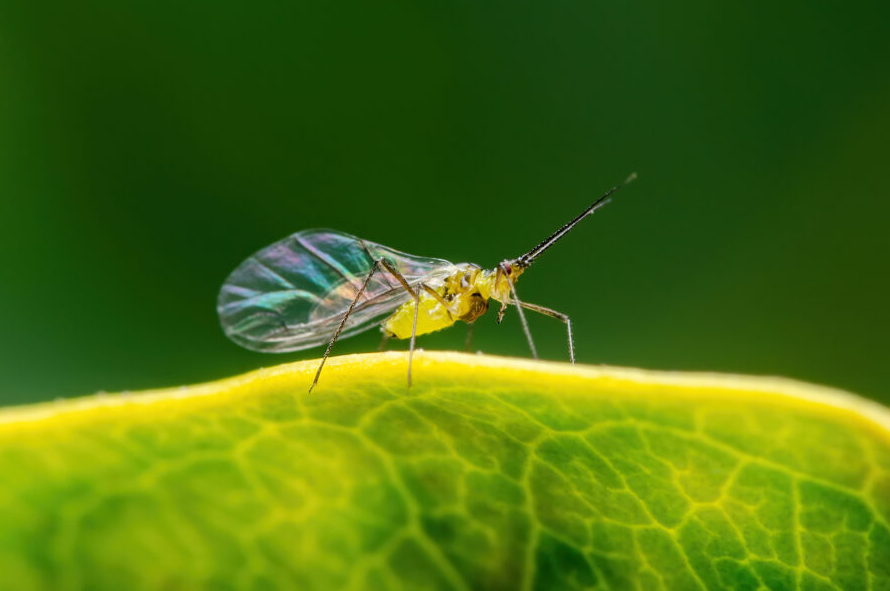
Aphids seem to be in abundance this spring, which could put peas under a lot of pressure with viruses. It is important to monitor crops as soon as they have emerged and treat when necessary.
The three main aphids that transmit virus to peas are pea aphids, Myzus Perscae and black bean aphids. With the increase in cover crops and legume fallow, there are now many hosts, increasing potential pressure. Pea enation mosaic virus, spread by the pea aphid, is one of the most prevalent viruses in peas, and early infection will lead to huge yield losses.
Pea aphids will host on other legumes, including clover and lucerne, so removing these where possible will remove the green bridge gap. Turnip yellow virus is becoming regularly detected too; this is typically spread by Myzus Perscae, often found in oilseed rape or potatoes, so monitoring local populations in other crops will help give a heads up on potential problems.
Where margins on many break crops are tight, and weather conditions out of our hands, ensuring good establishment and keeping plants healthy is essential to maintaining positive gross margins.