
By Simon Roberts in July’s edition of South East Farmer.
As another season seems already to be hurtling towards harvesting it is healthy to take the time to review performance, assess what has worked well and build on these areas. It means looking at areas where small marginal gains can be made, whether it is in efficiencies in time, cost of inputs or sources of advice, all of which can add up to significant business improvements over the season.
There are some things we cannot control, like the weather, which can make a big difference to the final crop outcome. If only we could manage that better. So, it is best to focus on those areas you can influence and where you can make a difference.
Variable costs are one area where some of these small incremental savings can add up and make significant differences. It isn’t always about cutting out an application but about being more targeted. Product selection, rate and timing of application can improve the final outcome. If you add to this potential savings that could be made where inputs are sourced more competitively, you start to make a noticeable difference.
What this season has highlighted is the need to be flexible, continually reviewing the situation and adapting the plan for the conditions. What started out looking like a potentially high septoria pressure year for some changed into a challenging, rust-prone spring in some varieties. By sticking to the traditional spray timings, initially designed around septoria life cycle, a much shorter interval was required to keep pace with the quicker-cycling yellow rust.
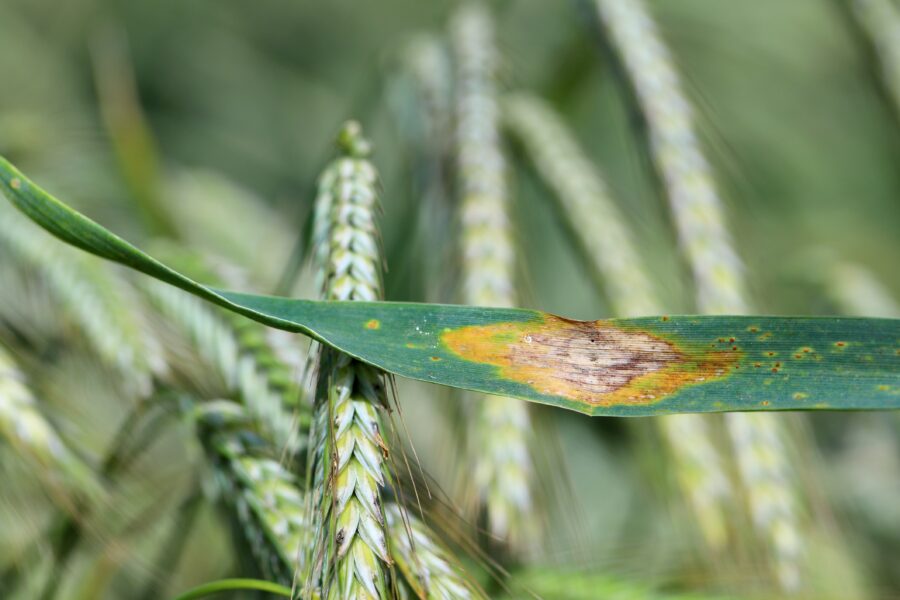
Anything over an 18-day interval between fungicide applications where yellow rust was present resulted in another flare up of disease pressure, almost regardless of what product was used. It doesn’t seem to be sticking to the rule book and behaving how it used to, but seems to thrive in almost any weather condition.
If you take Crusoe this year, depending on the location, drilling date and disease pressure, there could have been a difference of 20% to 30% spend on fungicides. The majority of farms with Crusoe have had brown rust present from early in the season; fungicide inputs could have been up to £120/ha, but were generally more in the region of £90/ha. On one farm, the crops have been particularly clean all season, with brown rust only appearing just as the ear spray was about to be applied.
Because of the low septoria pressure, the use of close monitoring and flexibility in timings, product choice and rate allowed us to make further significant savings over the rest of my usual Crusoe programs.
So, before we launch into a new season, take the time to review the one just gone. Make a note of areas to improve on, as we are no good at praising ourselves on what has gone well, and ready yourself for harvest, drilling and a list of what you will do differently this coming season! I wish you all a safe and plentiful harvest.